Broward County, FL, property search provides a structured way to view official real estate records linked with land, buildings, and ownership details. It helps users check verified property records through a centralized property records system maintained for public reference. This system supports accurate review of parcel information, ownership data, and recorded transactions. It also helps users confirm legal property status using official real estate records. Many residents and professionals rely on it for fast property verification in Broward County, Florida.
The Broward County, FL, property search system organizes real estate records in a clear format for easy review of ownership, parcel details, and transaction history. It is widely used for checking property status before buying or selling real estate in Broward County, Florida. This system also supports quick review of recorded documents tied to each parcel number and location. Users can trace basic legal details, tax-related data, and historical ownership changes in one place. It also helps confirm property legitimacy using official real estate records.
How Broward Property Search Works
Broward property search works through a public county records system that stores real estate data in a structured property database. The Broward County, FL, property search tool pulls details using parcel lookup or address input to show property records quickly. This system organizes land and building information so searchers can view ownership, value, and location details from one place. It connects directly to official county records and updates data from recorded transactions.
Steps Search Process in Broward County, FL Property Search
The broward county fl property search process follows a simple flow inside the county records system. Each step pulls data from the property database using a parcel lookup or address match.
- Enter search detail
- Searchers start by typing one of the following:
- Property address
- Parcel ID number
- Owner name
- Run parcel lookup
- The system matches the input with a parcel lookup record inside the county database. Each parcel links to a unique property file.
- View matched record
- After matching, the system displays the correct property record from the property database.
- Open property profile
- The selected record opens a full page showing land, ownership, and tax data.
This process works fast because the county records system stores all parcels in a structured format. It connects each property to tax records, sales history, and zoning details.
Information Shown in Property Records: Owner, Address, Value
Each property record inside the broward county fl property search system contains detailed public information. The property database pulls this data from recorded documents and tax filings.
Details shown include:
- Owner name – current recorded property holder
- Property address – physical location of land or building
- Parcel ID – unique number for parcel lookup tracking
- Market value – estimated property worth
- Assessed value – value used for tax calculation
- Sales history – past purchase records
- Property type – residential, commercial, or land
- Tax information – yearly tax amounts and exemptions
This data helps searchers compare property values and review ownership history. The county records system keeps these details organized for each parcel entry, making every record easy to match through search.
How Parcel Lookup Works in the County Records System
Parcel lookup is the core function behind the broward county fl property search tool. It connects a parcel ID or address to the correct record inside the property database. Each parcel contains a digital file that includes land size, ownership, and valuation details. When a parcel lookup runs, the system scans these files and returns the matching record.
The county records system uses structured indexing, which means:
- Every parcel has a unique ID
- Each ID links to one property file
- Files store ownership, tax, and land data
This structure reduces confusion between similar addresses. It also helps keep property records accurate and organized across Broward County.
Broward Property Tax Search Tool & Search Method
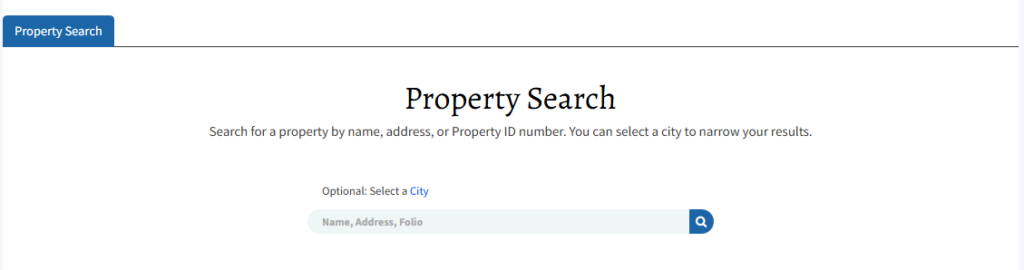
The Broward County property tax search is available through https://web.bcpa.net/bcpaclient/#/Record-Search, the Broward County Property Appraiser system. This tool provides direct tax assessment data, property valuation details, and parcel records for all properties in Broward County, Florida.
Steps Property Tax Search Method
Users can follow a simple process to check property tax records in Broward County, FL:
- Open the official property search tool link
- Select search type, such as address, owner name, or parcel number
- Enter the required property details in the search field
- Review matching results from the county database
- Click the selected property record
- View tax assessment data, property valuation, and exemption details
- Check yearly tax history and current tax status
Deed Search & Ownership Records
A deed search in Broward County, FL, shows official property ownership details and recorded land transfer history. It helps confirm who owns a property today and tracks how ownership has changed over time through legal filings.
What a Deed Means in Broward Property Search Records
A deed is a legal document that proves ownership of real estate. It records the transfer of property from one person or entity to another and becomes part of the official county records system. Every deed includes key details such as the owner’s name, property description, and recording date. In Broward County, FL, deed records are stored as part of the public property database. These records also connect with title records, which confirm legal ownership status. Together, they help establish a clear record of land ownership and property rights for each parcel.
Deed Search Broward County, FL Process for Ownership Lookup
A deed search in Broward County, FL, allows users to find property ownership records using an address or parcel number. The process begins by locating the property in the county records system, then reviewing recorded documents linked to that parcel. Once a property is found, the system shows deed history, including past transfers and legal filings. Each record reflects a transaction that has been officially filed with the county, making it part of the permanent ownership history. Deed records often include buyer and seller names, document numbers, and transfer dates. These details help verify how ownership has changed over time within the official property database.
How Ownership Transfers Work in County Records
Ownership transfer in Broward County, FL, happens through a legal recording process. When a property is sold or transferred, a new deed is created and submitted to the county recording office. Once recorded, it updates the official ownership history for that property. This process can involve private sales, inheritance, trust transfers, or legal settlements. Each transfer becomes part of the public record, showing a timeline of ownership changes for the land parcel. These recorded changes help maintain accurate property information and support transparency in real estate transactions.
Parcel Lookup System
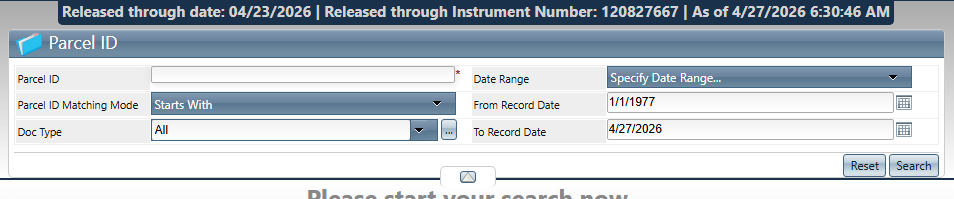
A parcel lookup system is a digital method used to find detailed information about land parcels within Broward County. It connects property records with mapping data so https://officialrecords.broward.org/AcclaimWeb/search/SearchTypeParcel users can view ownership, size, and location details. Each parcel carries a unique ID that links it to official county records and GIS property mapping tools.
What a Parcel Means in Broward Property Records
A parcel refers to a defined piece of land recorded in county property systems. It represents a specific area with fixed boundaries used for taxation, ownership tracking, and planning purposes. In Broward County property records, every land parcel is stored in a structured database tied to official documentation. Land parcels may include residential lots, commercial spaces, vacant land, or agricultural areas. Each parcel holds key data such as owner name, assessed value, zoning type, and legal description. The parcel lookup system connects this information through digital records. Users can search for a parcel by entering location details or an address. The system then pulls matching data from the county property database.
Elements linked to a parcel include:
- Property owner details
- Legal land description
- Tax assessment value
- Zoning classification
- Sale and transfer history
This structure allows faster review of property data without manual file searches. It also supports transparency in public land records.
How Parcel IDs Work with GIS Property Mapping
A parcel ID is a unique number assigned to each land parcel. It works as the main reference key inside Broward County’s property database. This ID connects written records with digital maps through GIS property mapping systems. GIS (Geographic Information System) mapping shows parcels visually on an interactive map. Each parcel boundary appears as a shape linked to its ID number. When selected, the system displays detailed property data linked to that parcel. Parcel IDs support accurate tracking across multiple systems. They reduce confusion caused by similar addresses or street changes. They also help county officials manage land records efficiently.
Common uses of parcel IDs include:
- Locating exact property boundaries on GIS maps
- Reviewing ownership history tied to land parcels
- Checking zoning and land use rules
- Verifying tax and assessment records
- Supporting real estate research and planning
Parcel lookup combined with GIS mapping creates a clear connection between physical land and digital records. This structure allows faster cross-checking of property details within Broward County’s public record system.
Real Estate Records
Real estate records in Broward County show ownership details, property history, and tax-related data stored inside the county records system. These records sit inside a structured property database used for public reference and research. The Broward property search records provide key facts such as legal ownership, parcel details, and transaction history. This data helps users review residential and commercial property activity across the county.
Types of Property Records in Broward County
Broward County real estate records come from different sources inside the county records system. Each record type serves a specific purpose and adds details to the property database.
Record types include:
- Deed Records: Show legal ownership transfer between parties
- Mortgage Records: Contain loan details tied to a property
- Tax Assessment Records: Show yearly property value and tax amounts
- Parcel Records: Include lot size, zoning, and land use details
- Lien Records: Reflect unpaid debts linked to the property
- Sale History Records: Track previous sale prices and dates
These records connect through a centralized property database maintained at the county level. Search results often show parcel ID, owner name, address, and recorded document history.
Residential vs Commercial Property Data
Real estate records separate residential and commercial property data for clearer classification. Each category holds different types of information based on property use and value structure.
Residential Property Data:
- Single-family homes
- Condos and townhouses
- Multi-family units
- Owner-occupied properties
- Homestead exemption details
Commercial Property Data:
- Office buildings
- Retail centers
- Industrial warehouses
- Mixed-use developments
- Investment properties
| Property Type | Common Data Points |
|---|---|
| Residential | Owner name, homestead status, sale price, parcel size |
| Commercial | Business ownership, lease data, income value, zoning class |
Residential records often focus on ownership and tax relief status. Commercial records focus more on income potential, zoning rules, and investment value.
GIS Mapping for Property Search
GIS mapping shows property locations on an interactive map using spatial data. It connects parcel details with exact land positions for clearer property lookup in Broward County. This system helps users see property boundaries, nearby roads, and surrounding land use through property visualization tools.
GIS Mapping Role in Property Search
GIS mapping connects property records with geographic coordinates stored in a county property database system. Each parcel gets a digital map layer that shows size, shape, and location. This setup helps users compare properties visually instead of reading only text records. It also supports faster review of zoning, land use, and parcel structure.
Elements shown through GIS mapping:
- Parcel boundaries and lot lines
- Street names and address points
- Zoning categories and land use type
- Nearby public facilities and roads
- Flood zones and environmental layers
These layers support better property visualization, especially for large areas where text records feel limited.
Interactive Map Usage in Broward Property Records
Interactive maps in Broward County property search tools allow users to zoom, click, and move across parcels. Each click reveals ownership details, tax data, and legal parcel numbers. The system uses GIS mapping technology linked with real-time county records. This helps match spatial data with property ownership files.
Common features of interactive mapping tools:
- Zoom in for parcel-level detail
- Click to view ownership and tax info
- Switch between satellite and street view
- Compare multiple parcels side by side
- View historical map layers for older records
These tools help users quickly connect map views with official property data without switching pages.
Why GIS Mapping Improves Property Research
GIS mapping reduces confusion in property search by turning records into visual formats. It also helps users detect land patterns, nearby development, and zoning shifts.
Benefits include:
- Clear location-based property comparison
- Faster identification of parcel details
- Better view of land boundaries
- Easy detection of nearby infrastructure
This mix of spatial data and mapping tools improves accuracy in property record review across Broward County.
Property Ownership Data
Property ownership data shows who legally holds a parcel and how ownership has changed over time. It includes title information and official records tied to the land. This data helps verify legal rights, past transfers, and recorded property holders in Broward County.
Ownership History in Property Records
Ownership history tracks every recorded transfer of a property. It shows the chain of owners from the first record to the most recent update. This record is stored in the county’s legal property data system and often includes sale dates, buyer names, and seller details.
Typical ownership history details include:
- Previous and current owners
- Date of each transfer
- Sale or transfer type
- Recorded deed references
- Property sale values
This timeline helps users review how ownership changed over the years.
Title Information and Legal Property Data
Title information confirms legal rights tied to a property. It shows whether ownership is clear or if claims exist on the parcel. County records also store legal property data such as liens, mortgages, and easements. These details affect ownership status and property use.
Title-related data points:
- Recorded property deed type
- Mortgage or lien records
- Easements affecting land use
- Legal restrictions on property
- Tax-related ownership status
These records support verification of property legitimacy before transactions or research.
Why Ownership Data Matters in Property Search
Ownership data gives a complete legal background of any parcel. It helps users confirm rightful owners and review past changes in property control.
Value points:
- Confirms the current legal owner
- Shows the past ownership chain
- Highlights legal claims or restrictions
- Supports accurate property comparison
This information forms a core part of Broward County property search records and supports transparent property evaluation.
FAQs About Broward Property Search Records
Property record questions in Broward County often focus on search steps, tax details, and ownership tracking. These answers help users review parcel data, deed filings, and tax details from the county records system in a simple way.
How to search property records?
Property records in Broward County are searched through the official property database using parcel ID, owner name, or property address. The system pulls verified data from county filings, including deeds, sales records, and assessment details. Users enter one search value, and match results appear instantly. Each record links to official property documents stored in the county records system.
How to find property tax info?
Property tax information is available through Broward County tax assessment records connected to each parcel. These records show yearly tax amounts, exemptions, and payment status for properties. Users can view assessed land and building values along with any outstanding balances. The system updates tax details based on official county financial records.
How to check ownership history?
Ownership history is tracked through deed records filed with Broward County official records. Each property shows a timeline of past owners, sale dates, and transfer details. Records also include recorded sale prices and legal document references. This data helps users trace how ownership has changed over time using parcel-based records.
How accurate are Broward property records?
Broward property records are pulled from official county filings, which makes them highly reliable for public use. These records reflect deeds, tax assessments, and recorded transactions submitted by authorized offices. Updates happen when new documents are filed with the county system. Small delays may occur before recent changes appear in search results.
Can property records show liens or legal claims?
Property records in Broward County may show liens, mortgages, or legal claims attached to a parcel. These entries come from recorded legal documents filed with the county recorder. Users can view document type, filing date, and reference numbers linked to each record. This helps identify any financial or legal obligations tied to a property.